Access Issues in Fulham Flats for Oven Cleaning Solutions
Getting an oven cleaned sounds straightforward until you live in a Fulham flat. Narrow stairwells, awkward entry codes, restricted parking, top-floor walk-ups, shared hallways, and not enough space to manoeuvre can turn a simple visit into a bit of a puzzle. That is exactly why access issues in Fulham flats for oven cleaning solutions matter: the best cleaning result often depends as much on logistics as it does on technique.
In practice, a good oven clean in a flat is not just about the oven itself. It is about planning the route in, protecting the property, keeping the visit efficient, and avoiding those annoying delays that leave everyone standing around in the hallway. This guide walks through what access problems look like, why they matter, how professional cleaners handle them, and what you can do to make everything smoother. If you have ever wondered, "Will they even be able to get the right equipment into my flat?" you are in the right place.
Why access issues in Fulham flats for oven cleaning solutions Matters
Fulham has a mix of Victorian conversions, mansion blocks, purpose-built apartments, riverside developments, and compact modern flats. That variety is part of the charm, but it also means access can be tricky. A cleaner may have to deal with one tight flight of stairs, then a second set of fire doors, then a long corridor with no obvious place to park a trolley. Not ideal, frankly.
When access is difficult, oven cleaning becomes more than a standard domestic job. It can affect arrival time, equipment choice, safety, the final finish, and even whether the appointment can happen at all. A cleaner who is used to houses with easy side access may need a different approach in a Fulham flat, especially where communal spaces are shared or building management has rules about visitors.
It matters for the resident too. If access details are vague, the visit may run late or be cut short. If the cleaner arrives without the right plan, you may end up with extra charges, rescheduling, or avoidable stress. And to be fair, nobody wants a heavy-duty oven degreaser discussion at the front door while someone behind you is trying to get to work.
A well-handled flat cleaning appointment, by contrast, feels calm and predictable. The cleaner knows where to go, what to carry, and how to work without disturbing neighbours or leaving a mess in the hallway. That is the real value: fewer surprises, better results, and a much easier experience overall.
How access issues in Fulham flats for oven cleaning solutions Works
The process usually starts before anyone arrives. A professional will ask for practical access details: floor level, lift availability, parking options, entry instructions, concierge rules, door codes, and whether the oven is in a kitchenette, open-plan kitchen, or tucked into a narrow galley layout. Those small details change everything.
In a flat, the cleaner may need to carry equipment, protective covers, and cleaning products through communal areas. That means timing matters. If access is limited to a short window, or if the building only allows visitors through reception at certain times, the job has to be scheduled carefully. Some buildings also require advance notice for contractors. No drama, just planning.
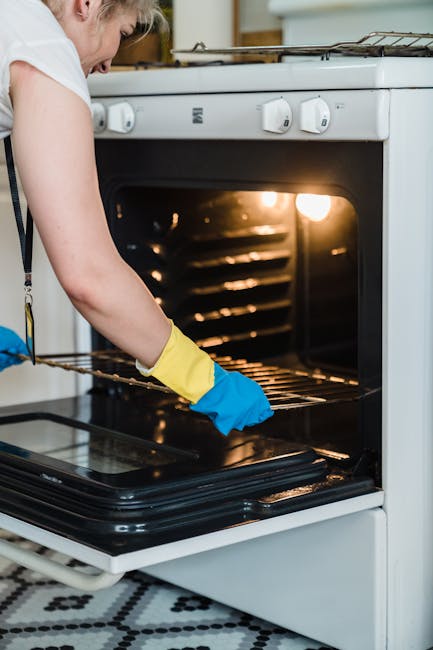
Once inside, the cleaner will normally assess the oven type, surrounding surfaces, ventilation, and available working space. A built-in oven in a small kitchen may need a more compact setup than a freestanding model in a larger room. The cleaner may also need to protect floors, check for delicate surfaces, and work with limited room to open the oven door fully. These are small things, but they add up.
The best approach is simple: clear communication before the appointment, careful preparation on arrival, and a methodical clean once inside. That is how access issues stop being a problem and become just another manageable part of the job.
Key Benefits and Practical Advantages
When access is properly planned, oven cleaning in Fulham flats becomes faster, safer, and less disruptive. That sounds obvious, but you really notice the difference on the day.
- Less time wasted - no circling the block looking for parking or waiting for a forgotten entry code.
- Lower risk of damage - protecting hallways, carpets, and doors is easier when the route is known in advance.
- Better results - the cleaner can focus on the oven, not on improvising around access problems.
- Less disruption to neighbours - especially important in shared stairwells and quieter blocks.
- More accurate quotes - access details help avoid awkward surprises on the invoice later.
There is also a confidence benefit. If you have a tenant inspection coming up, are preparing a flat for sale, or simply want to get on top of a sticky, smoky oven, knowing the job can be done without fuss is reassuring. Small, but real.
For landlords and managing agents, good access planning supports smoother turnover between tenancies. If you are also arranging other services such as end of tenancy cleaning or broader deep cleaning, the benefit is even clearer: fewer moving parts, better coordination, less back-and-forth.
Who This Is For and When It Makes Sense
This topic is most relevant for anyone living in a flat where access is not straightforward. That includes top-floor walk-ups, basement flats with tight stair access, apartments with concierge-controlled entry, and modern blocks where parking and loading are tightly managed. If the oven itself is awkwardly placed, that counts too.
It makes sense for:
- homeowners who want a proper one-off oven clean
- tenants who need the kitchen sorted before inspections or moving day
- landlords and letting agents managing short turnaround times
- busy households with limited time for DIY scrubbing
- older residents or anyone who finds lifting, bending, or disassembly difficult
It is also useful for people who have tried to clean an oven themselves and found the access awkward enough to make the job miserable. Truth be told, reaching the back of an oven in a cramped kitchen can become one of those tasks you keep putting off. Then one day you open the door and the smell reminds you why you were avoiding it. We have all been there.
If you are still comparing service types, a general oven cleaning appointment is usually the right fit for most flats. For especially tight schedules, same-day options may sometimes help, and you can see how that works in the article on same-day oven cleaning in Fulham.
Step-by-Step Guidance
If you want the appointment to run smoothly, the practical steps below are the ones that really matter. Simple enough, but worth doing properly.
- Check your building access rules. Confirm whether cleaners need a buzzer code, visitor registration, lift booking, or concierge sign-in.
- Measure the route if space is tight. If your hallway is narrow or the kitchen is compact, note it when booking. A few centimetres can make a difference.
- Share parking and unloading details. Let the cleaner know where they can stop, whether permits are needed, and how far they will have to carry equipment.
- Clear the kitchen approach. Move shoes, bins, laundry baskets, and other bits out of the way. Small things, but they slow people down.
- Confirm the oven type. Built-in, double, range-style, or compact ovens may require different access and cleaning methods.
- Protect the route. If your hallway has carpet or delicate flooring, ask how surfaces will be covered before work begins.
- Stay reachable on the day. If the cleaner cannot find the entrance, a quick call can save ten minutes of awkward wandering.
- Check the finish before the visit ends. Make sure the oven is back in place, the surrounding area is tidy, and all agreed access points are secured.
A small but useful habit: photograph your building entrance, buzzer panel, or parking bay if access is unusually confusing. It sounds a bit fussy, maybe even over the top, but it saves time. Especially in a city where one front door can look remarkably like another at 8:00 in the morning.
Expert Tips for Better Results
Over time, a few patterns become obvious. The best flat oven cleans usually go well because someone thought through the boring bits in advance. That is the secret, if there is one.
Tip 1: mention the access quirks, not just the address. "Third floor, no lift, call on arrival" is much more helpful than a post code alone. If there is a security gate or rear entrance, say so.
Tip 2: be honest about the kitchen layout. A cramped galley kitchen, a shared hallway, or a door that only opens halfway changes the working setup. No cleaner minds planning for it. What causes trouble is surprise.
Tip 3: ask about insurance and safety procedures. Reputable providers should be able to explain how they protect floors, manage products, and work safely in shared residential buildings. You can review general standards through pages such as insurance and safety and the company's health and safety policy.
Tip 4: plan around neighbours and building routines. If your block is quiet during late mornings or busy around school runs, choose a window that makes sense. A little timing awareness goes a long way.
Tip 5: do not assume every oven clean needs the same setup. A small built-in oven in a modern flat is not the same job as a deeply built-in unit behind a tight pantry door. Different access, different approach. Simple, really.
Expert summary: The cleaner the access details, the smoother the oven clean. In Fulham flats, the best results usually come from a short, clear briefing before the appointment, plus a tidy route on the day. It is not flashy, but it works.
Common Mistakes to Avoid
Most access problems are avoidable. The frustrating part is that they often happen because everyone assumes "it will be fine." Sometimes it is fine. Sometimes it is not.
- Leaving out entry details. A missing gate code or flat number can delay the appointment immediately.
- Not mentioning stairs or lift issues. If the cleaner is carrying equipment to the fourth floor, that should be said up front.
- Ignoring parking restrictions. In parts of Fulham, stopping briefly is not always simple. Planning matters.
- Expecting the cleaner to move large amounts of household clutter. The route to the oven should be reasonably clear before arrival.
- Assuming every building is visitor-friendly. Some blocks need advance notice or concierge approval. A quick check avoids a lot of fuss.
- Choosing the cheapest quote without explaining access. If the provider has not seen the access challenge in advance, the quote may not reflect the real job.
A smaller mistake, but a common one: forgetting that shared hallways are someone else's home too. Leaving boxes, pet leads, bikes, or wet umbrellas in the path creates awkwardness fast. It only takes a minute to clear, and everyone benefits.
Tools, Resources and Recommendations
You do not need a huge toolkit to make access easier. A little preparation goes a surprisingly long way.
| Item or resource | Why it helps | Best use in a Fulham flat |
|---|---|---|
| Door code or concierge instructions | Prevents delays at the entrance | Blocks with secure entry or reception desks |
| Short building access note | Clarifies floor level, lift use, and parking | Ideal for top-floor walk-ups and managed apartments |
| Floor protection covers | Helps protect carpet, wood, or tiles | Useful where corridors are narrow or finishes are delicate |
| Phone contact on the day | Allows quick problem-solving | Handy if the cleaner cannot find the right entrance |
| Service information pages | Help you understand the provider's standards | See pages like pricing and quotes and about us |
It is also worth checking whether your home needs a broader clean, not just the oven. If the kitchen has greasy splash marks, dusty extractor areas, or a general film from cooking, a wider service such as house cleaning or domestic cleaning can make sense. For heavily used spaces, some people pair the oven clean with one-off cleaning so the flat feels properly reset.
Law, Compliance, Standards, or Best Practice
For most readers, the practical issue is not a law textbook. It is making sure the job is carried out safely and sensibly in a shared residential setting. That said, there are a few best-practice points worth keeping in mind.
In managed blocks, access arrangements may be governed by building rules, tenancy terms, or concierge procedures. If you are a tenant, check whether visitors or contractors need to be booked in. If you are a landlord or agent, be clear about who is responsible for gaining entry. It sounds dull, but it avoids the classic "I thought you had the code" exchange.
From a safety perspective, a professional cleaner should work with appropriate products, protect surfaces, and avoid causing nuisance in common areas. Good practice also means respecting fire exits, keeping doors secure, and not blocking shared corridors. If any cleaning task could affect alarms, ventilation, or sensitive fixtures, it should be approached carefully and, where necessary, paused until clarified.
You may also want to check a provider's policies on payment, cancellations, and complaints if the access situation changes on the day. The pages on terms and conditions, payment and security, and complaints procedure can help set expectations before anyone turns up with cleaning gear in hand.
Best practice, in plain English, is simple: tell the truth about the access, plan for the building you actually live in, and choose a provider that treats shared spaces with respect.
Options, Methods, or Comparison Table
There is more than one way to handle a flat oven clean in Fulham. The right option depends on your access situation, how urgent the clean is, and how much help you want with the wider kitchen area.
| Approach | Best for | Pros | Limitations |
|---|---|---|---|
| Standard oven-only visit | Most flats with straightforward access | Focused, efficient, usually easy to schedule | Does not address other kitchen grime |
| Oven clean with broader domestic support | Busy homes or end-of-tenancy prep | Better overall finish, fewer separate bookings | May take longer and need more access planning |
| Same-day or short-notice visit | Last-minute situations | Useful when plans change suddenly | Needs very clear access instructions to work well |
| Full flat deep clean with oven included | Move-outs, refurb prep, heavy buildup | Comprehensive reset of the space | More coordination required, especially in blocks with restrictions |
For many Fulham residents, a standard oven clean is enough. But if the kitchen is part of a larger clean-up, it may be more efficient to combine services rather than booking separate visits. You can explore related options such as cleaning company support or specialist add-ons like deep cleaning when the whole property needs attention.
Case Study or Real-World Example
Here is a realistic example. A resident in a Fulham conversion flat booked an oven clean for a Friday morning. On paper, everything looked simple. In reality, the building had a shared front door, a narrow staircase, and no lift. The oven itself was tucked into a compact kitchen with barely enough room to swing the door fully open.
Because the resident shared the right details ahead of time, the cleaner arrived prepared. The visit was timed around the building's quieter period, the entry buzzer worked first time, and floor protection was laid before the cleaning started. The only slightly awkward moment was squeezing past a stack of recycling bags near the stairwell. Not a disaster, just one of those small city living things.
The result was a clean oven, no scuffed walls, and no need for a second appointment. More importantly, the resident learned that the success of the job had less to do with the cleaning itself and more to do with the access plan. That is the bit people forget.
In a different scenario, if the resident had waited until the cleaner was outside the door to mention the lift was out of service, the appointment would probably have been slower or rescheduled. Same oven, same flat, very different outcome. Little details matter.
Practical Checklist
Use this before your appointment. It saves time, reduces stress, and makes the whole thing feel much more under control.
- Confirm your exact flat number and building entrance
- Share buzzer codes, concierge steps, or visitor instructions
- Tell the cleaner if there is a lift, and whether it works
- Note any parking restrictions or permit requirements
- Explain how many stairs are involved
- Clear the walkway to the kitchen and oven
- Keep pets away from the work area
- Protect delicate floors or mention if that is needed
- Confirm the oven type and whether it is built in
- Leave a reachable contact number for the day
- Ask about timing if your building has quiet hours or access windows
- Check payment and booking terms before the visit
Quick reminder: if the access feels awkward when you are reading this, it will probably feel awkward on the day too. Better to flag it now. Honestly, that one email or phone call can save a lot of back-and-forth later.
Conclusion
Access issues in Fulham flats for oven cleaning solutions are not unusual, and they do not need to be a headache. Once you account for stairs, entry systems, parking, shared hallways, and tight kitchens, the whole job becomes much more predictable. That is the real win: fewer surprises, a smoother visit, and a better result in the kitchen.
Whether you live in a compact studio near the station, a converted flat with narrow stairs, or a managed block with strict entry procedures, the answer is usually the same. Plan ahead, share the access details, and choose a cleaner who understands the realities of flat living in London. The good ones will not be fazed. They will just get on with it.
If you are also thinking about the broader condition of your home, it may help to look at related services such as home cleaners, cleaners, or specialist support for a fuller reset of the space. The point is to make life easier, not harder.
Get a free quote today and see how much you can save.
And if your flat has a few access quirks? That is fine. With the right planning, even the fiddly jobs can turn out neatly in the end.
Frequently Asked Questions
What are the most common access issues in Fulham flats for oven cleaning solutions?
The most common issues are narrow staircases, no lift, parking restrictions, secure entry systems, and compact kitchens. Shared hallways and concierge check-ins can also slow things down if they are not arranged in advance.
Do I need to give the cleaner my flat number and buzzer code?
Yes, absolutely. A flat number, building entrance, and buzzer or access code are usually essential. Without them, the appointment can be delayed before the work even begins.
Can oven cleaning still be done if my flat is on a high floor with no lift?
Usually, yes, as long as the cleaner knows in advance. The main issue is carrying equipment safely and allowing enough time. It is best to mention stairs when booking so the visit can be planned properly.
What should I do if parking outside my Fulham flat is restricted?
Let the cleaner know where short-term unloading is allowed, whether permits are needed, and whether there is a nearby loading space. Parking details are often one of the biggest causes of delay, so the more specific you are, the better.
Is it better to book a separate oven clean or combine it with a full flat clean?
If the oven is the only problem, a standalone oven clean is fine. If the kitchen or flat needs a broader refresh, combining the job with domestic or deep cleaning can be more efficient and sometimes more practical.
How much preparation do I need to do before the cleaner arrives?
Not a huge amount, but enough to make access clear. Move clutter away from the route, secure pets, and make sure the cleaner can reach the kitchen without squeezing past bags, boxes, or bikes.
Will the cleaner bring floor protection for communal areas?
Many professional cleaners will use protective measures, but it is sensible to ask. In shared buildings, protecting carpets, tiles, and hallways is part of working carefully and respectfully.
What if the concierge refuses access when the cleaner arrives?
That is why it helps to check building rules beforehand. If access depends on reception or management approval, confirm the process before the appointment so you are not caught out on the day.
Are same-day oven cleaning services suitable for flats with difficult access?
They can be, but only if the access information is clear and complete. Short-notice visits leave less room for confusion, so details like entry codes, floor level, and parking become even more important.
How do I know if a cleaning provider is suitable for flat access problems?
Look for clear communication, sensible questions during booking, and straightforward information about safety, insurance, and booking terms. A provider that asks about your building layout is usually paying attention for the right reasons.
Can access problems affect the quote I receive?
Yes, they can. Difficult access may change the time needed or the logistics involved, so it is best to describe your setup accurately from the start. That helps avoid surprises later.
What is the best way to make an oven clean easier in a small Fulham kitchen?
Keep the path clear, move loose items away from the oven, and tell the cleaner in advance if the kitchen is particularly tight. A small kitchen can still be cleaned well; it just benefits from a bit of planning and realism.